 WOBO Industrial Group Cryochains


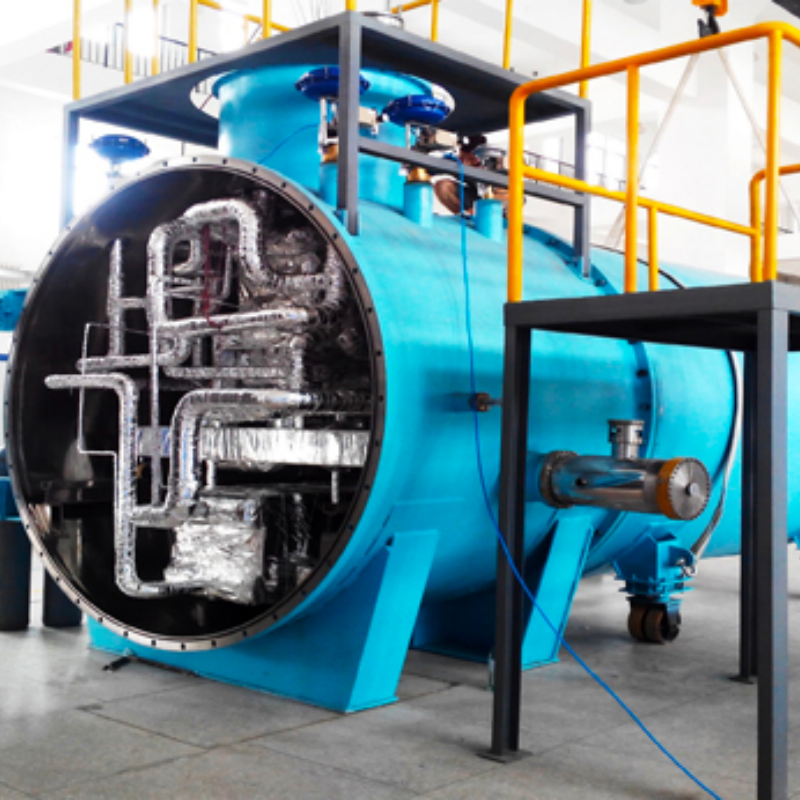
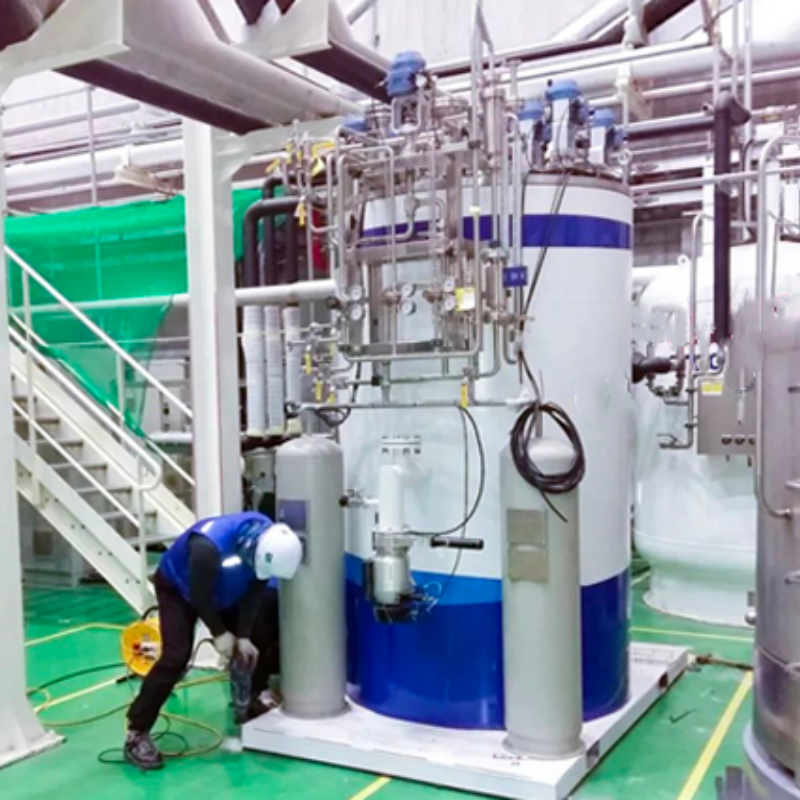
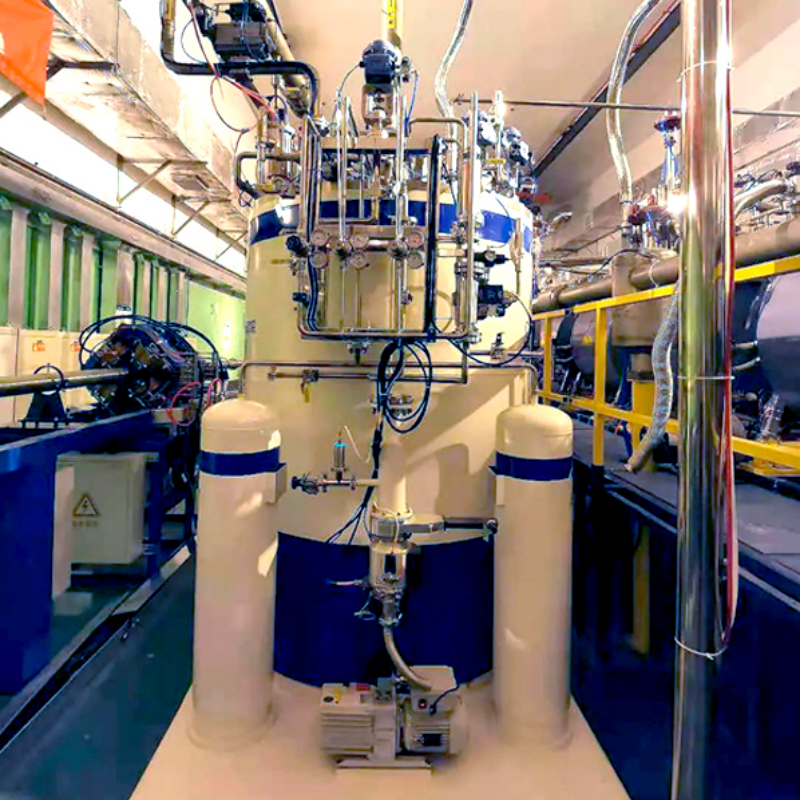
Helium Refrigeration System
High‑Efficiency Cryogenic Refrigeration System Using Helium CoolingThe Helium Refrigeration System is a high‑efficiency cryogenic solution designed to provide ultra‑low‑temperature cooling for scientific, medical, and industrial applications. Utilizing advanced helium compression, expansion, and heat‑exchange technologies, the system delivers stable and precise refrigeration performance. Built with vacuum‑insulated components, high‑purity helium circulation, and robust control systems, it ensures reliable continuous operation with minimal energy consumption. This system is widely used in superconducting magnets, MRI facilities, quantum technology laboratories, particle accelerators, and cryogenic research environments requiring dependable helium‑based cooling.
You may also be interested in these products.
Low-Temperature Face Shield
Durable low‑temperature face shield designed for cryogenic environments. Provides splash resistance, thermal protection, and clear visibility for laboratory, medical, industrial, and research applications.
Liquid Hydrogen Storage Tank
High‑efficiency liquid hydrogen storage tank engineered for safe cryogenic containment. Ideal for hydrogen energy projects, aerospace systems, fuel cells, and advanced industrial cryogenic applications.
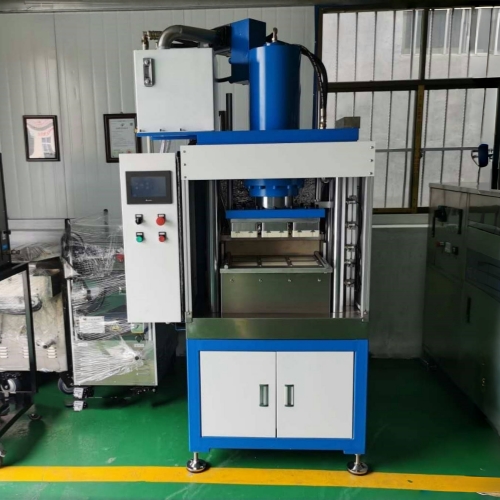
Dry Ice Block Press Machine
Advanced dry ice block press machine engineered for industrial use. Provides automated compression of pellets into solid blocks with consistent quality, reliable performance, and energy‑efficient design for food, medical, and logistics applications.
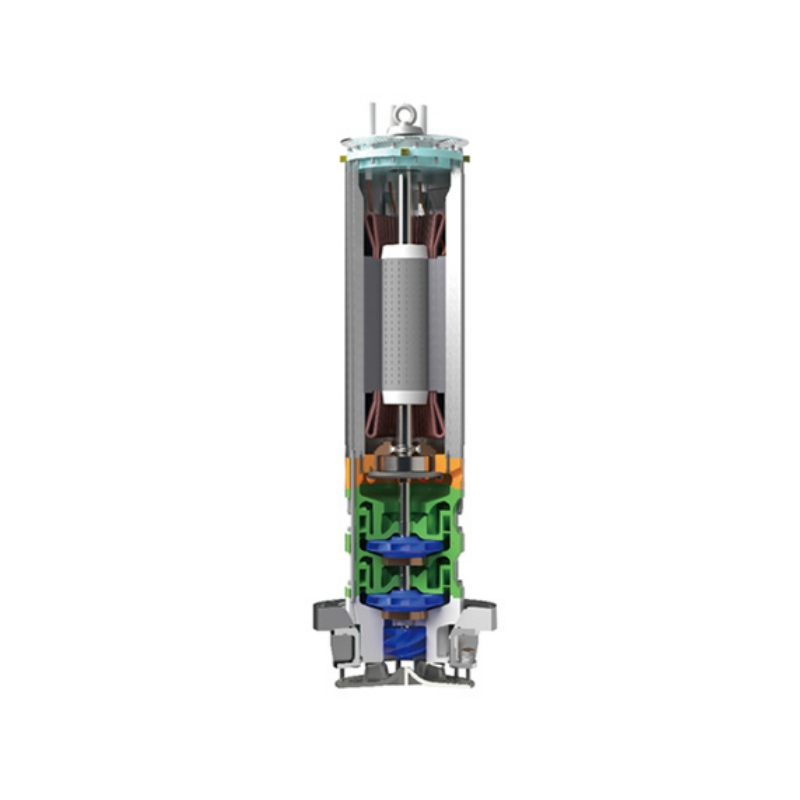
In-Tank Transfer Pump
High‑performance in‑tank transfer pump engineered for stable, efficient fluid handling. Ideal for chemical, petrochemical, cryogenic, and industrial applications requiring reliable in‑tank pumping.
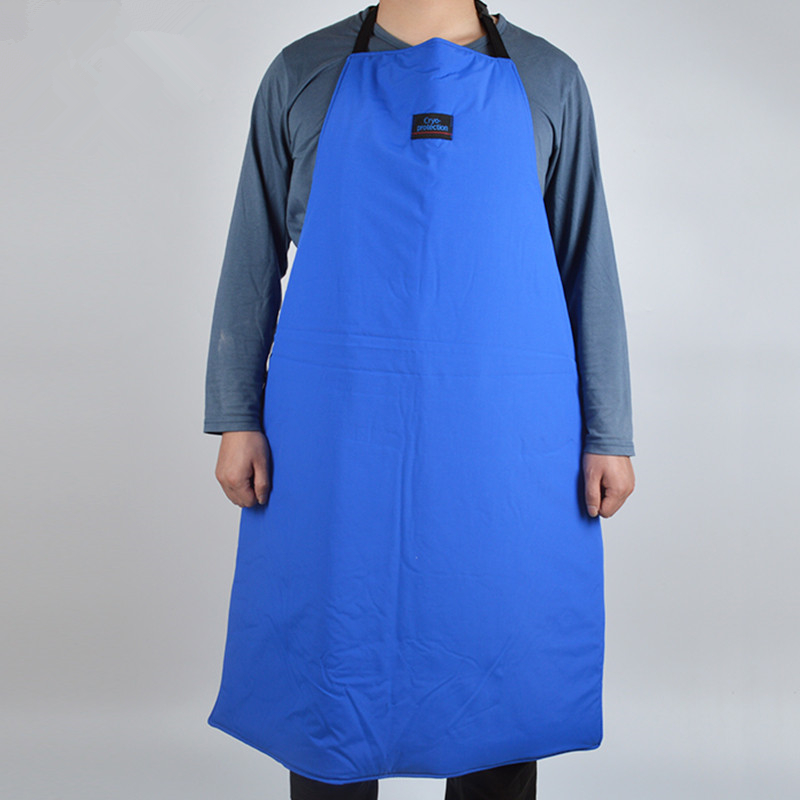
Low-Temperature Protective Apron
Durable low‑temperature protective apron designed for cryogenic environments. Provides thermal insulation, splash resistance, and torso protection for laboratory, medical, industrial, and research applications.
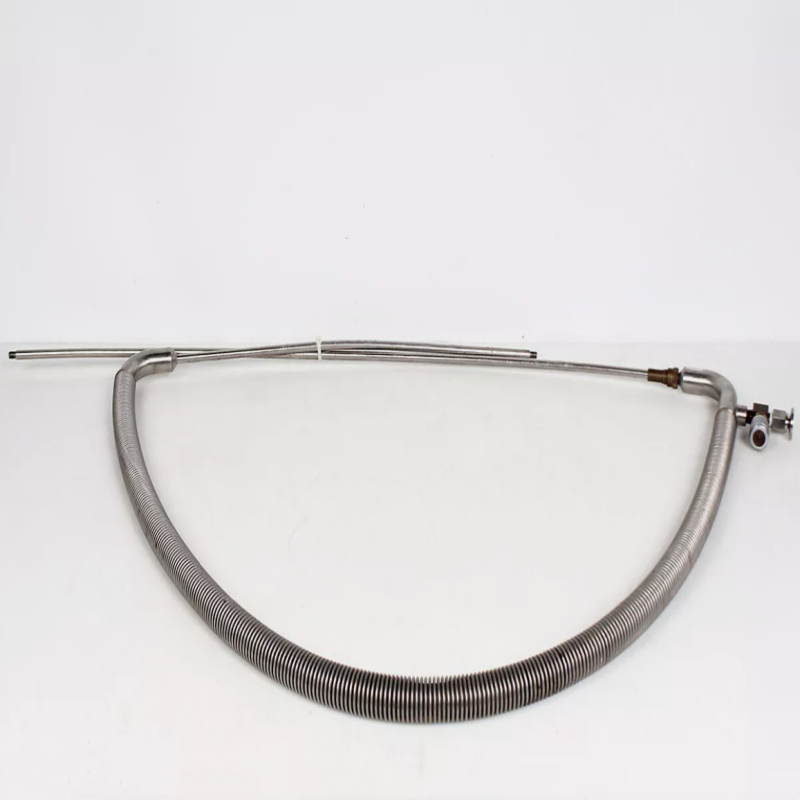
Liquid Helium Vacuum Insulated Hose
High‑efficiency vacuum insulated hose designed for low‑loss transfer of liquid helium. Ideal for superconducting systems, MRI facilities, laboratories, and advanced cryogenic research applications.
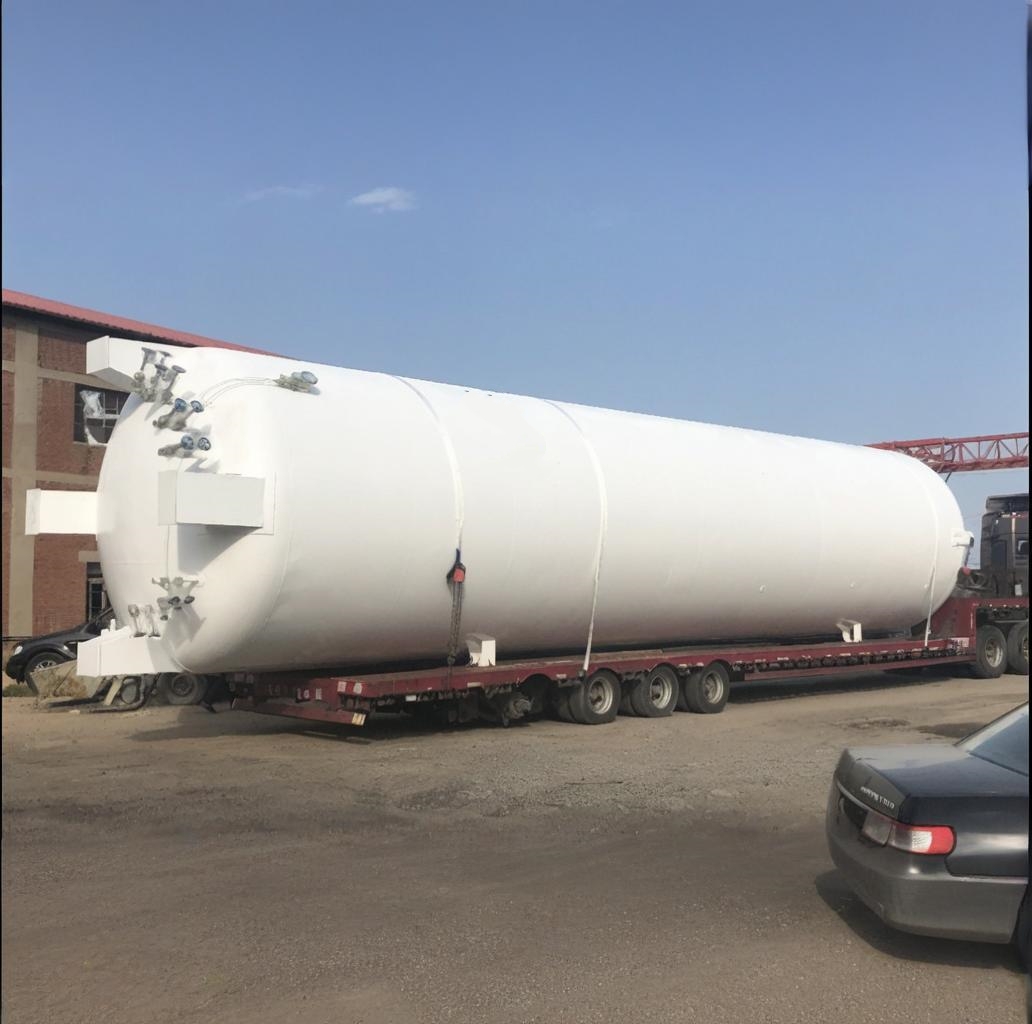
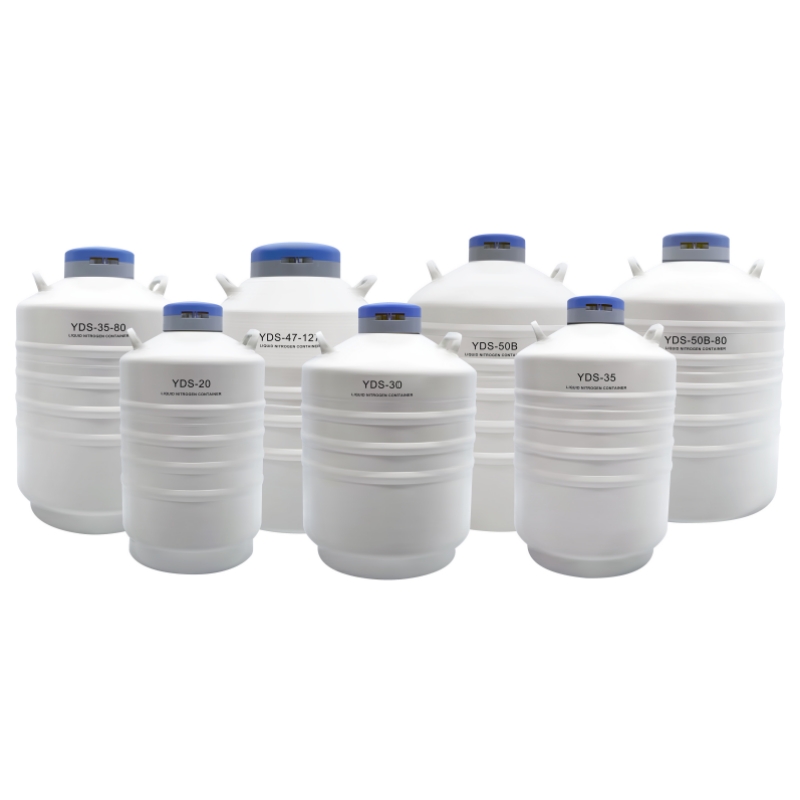
Static Large-Capacity Liquid Nitrogen Storage Tank
A durable, vacuum‑insulated static liquid nitrogen storage tank engineered for long‑term, large‑capacity cryogenic storage. Ideal for laboratories, medical applications, industrial processes, and scientific research requiring stable LN₂ supply.
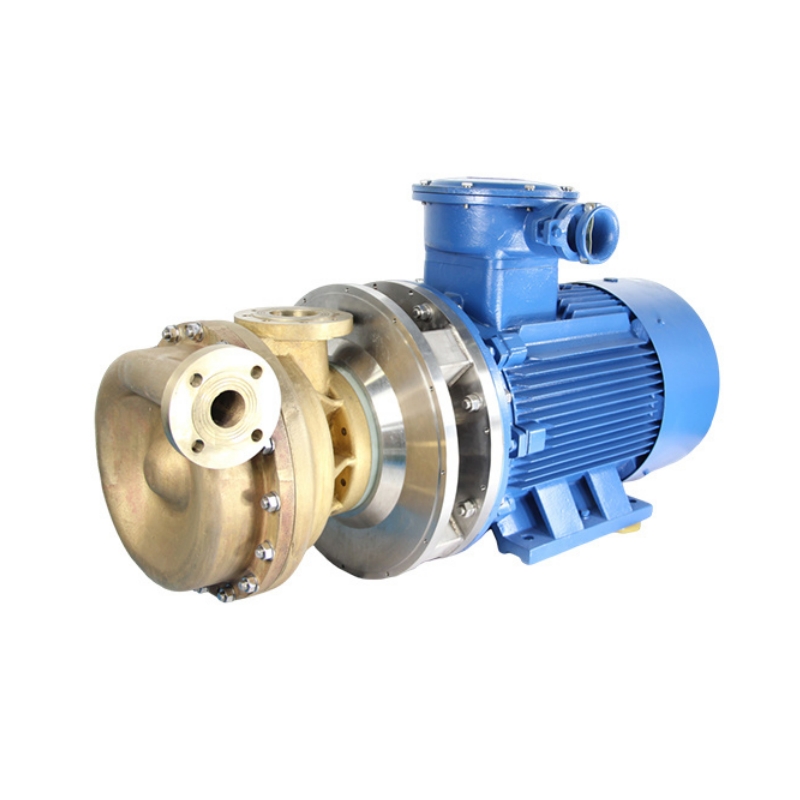
Intermittent Low-Temperature Centrifugal Pump
High‑efficiency intermittent low‑temperature centrifugal pump designed for periodic cryogenic liquid transfer. Ideal for industrial gas systems, laboratories, and cryogenic applications requiring stable, reliable performance.

loading...
已经是到最后一篇内容了!